Antimicrobial Drugs and Probiotics

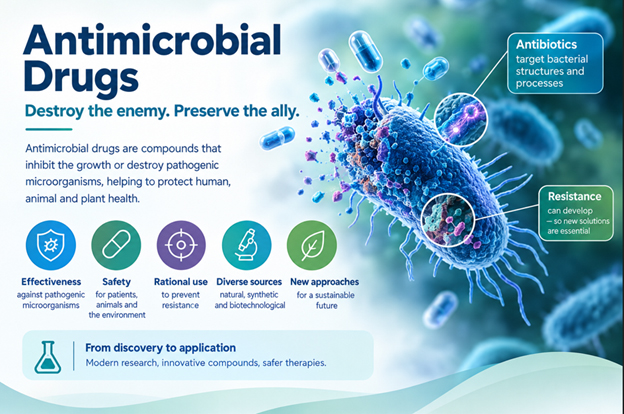
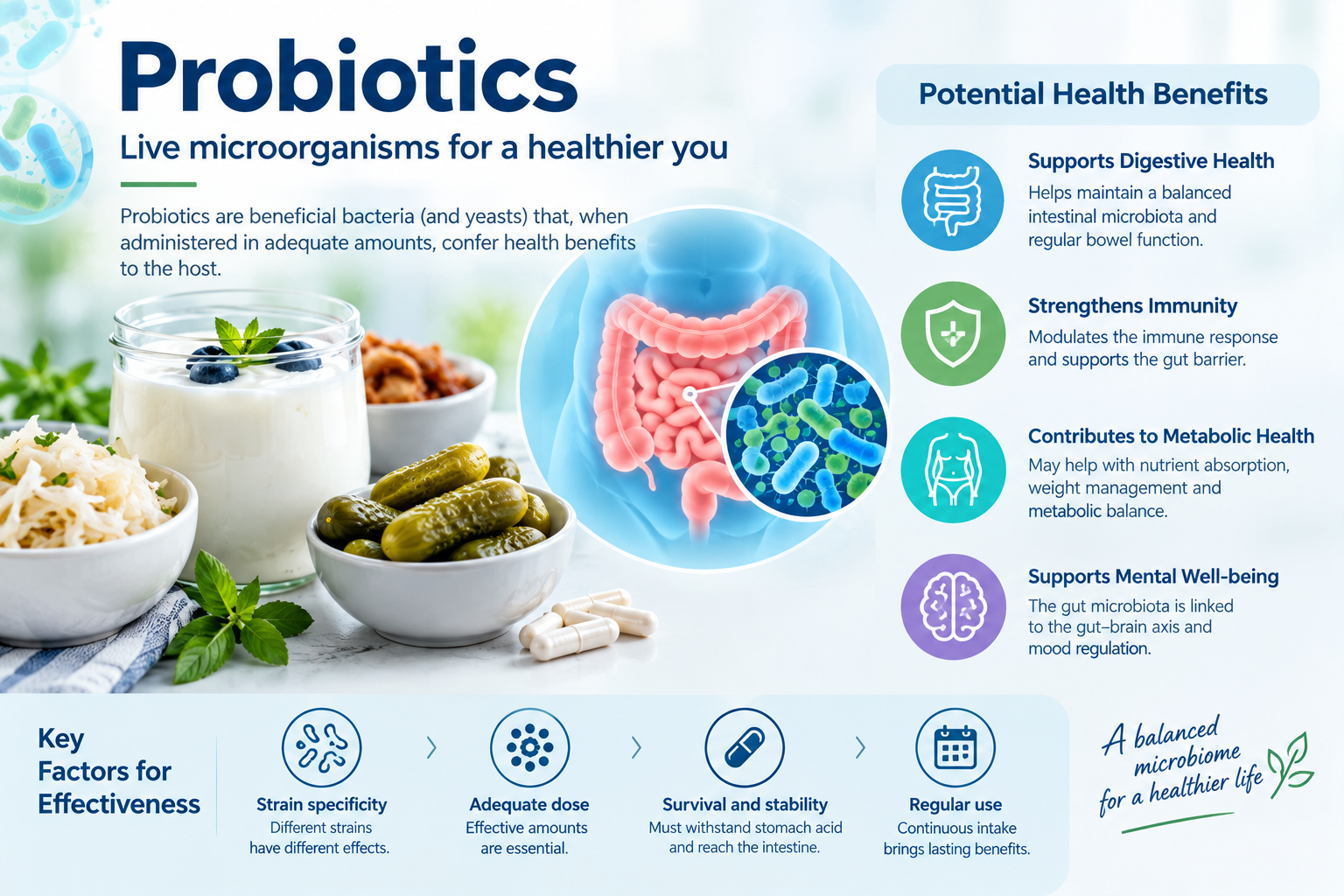
How are agents created to combat pathogens and transform beneficial microorganisms into effective biotechnological products? The course covers modern approaches to the search and development of antimicrobial agents, the mechanisms of their action and the formation of resistance, as well as the principles of creating probiotics, prebiotics and synbiotics - from strain selection to production technology and quality control.
Key terms: antibiotics, resistance, probiotic preparations, antimicrobial profiles


The course is delivered in the form of :
- lectures – 20 hours*
- practical classes – 8 hours*
- independent student study – 60 hours*
Control and Assessment Methods
(including criteria for evaluating learning outcomes)
Ongoing assessment for each content module is carried out through oral questioning and mini-tests on online platforms.
Final assessment – pass (credit) in the form of computer-based testing.
The level of a student’s knowledge is evaluated on a 100-point scale.
Detailed information on assessment methods and criteria is provided in the course working program.
For all organisational inquiries, please contact ONU-DUANKOM coordinator, Tetiana Ivanytsia.
t.ivanytsia@gmail.com
 Level 2: Master’s
 90 hours study:
Credits – 3
Content Modules – 2
-
Field of Knowledge: G Chemical and Bioengineering
-
Specialty: G21 Biotechnology and Bioengineering
-
Educational and Professional Program “Biotechnologies and Bioengineering”
- “Microbiology,”
- “Organic Chemistry,”
- “Biochemistry,”
- “General Cytology,”
- “Genetics and Molecular Biology"
Knowledge of antimicrobial agents, their mechanisms of action and resistance, as well as the principles of selecting probiotic strains, developing antimicrobial and probiotic products, and evaluating their safety and efficacy can be applied in bachelor’s and master’s thesis research and future professional practice.


