Applied Problems of Virology

Viruses: From Threats to Biotechnological Solutions
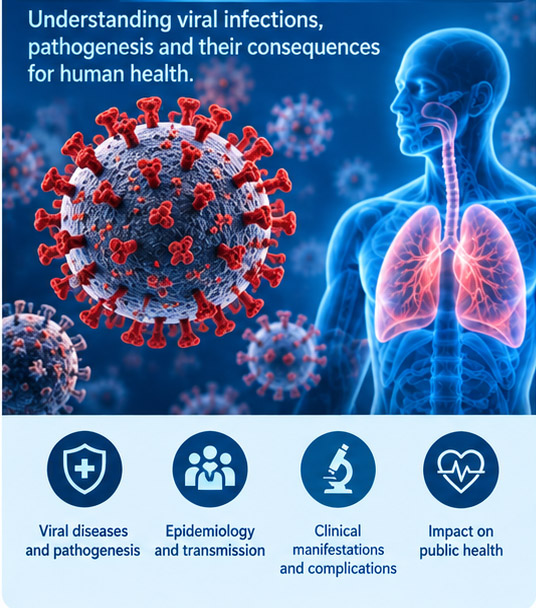
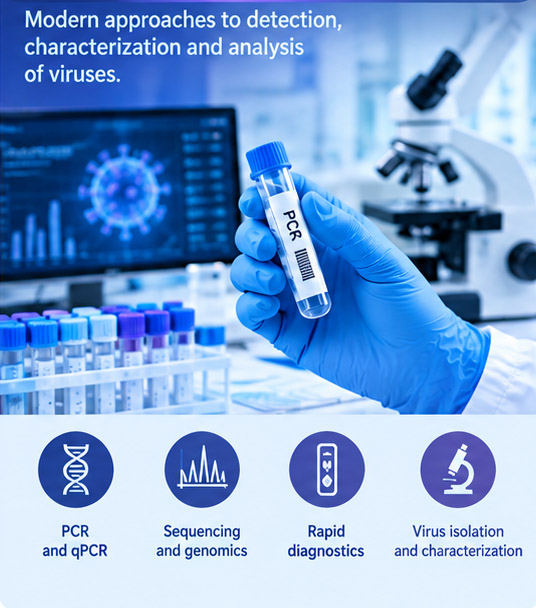
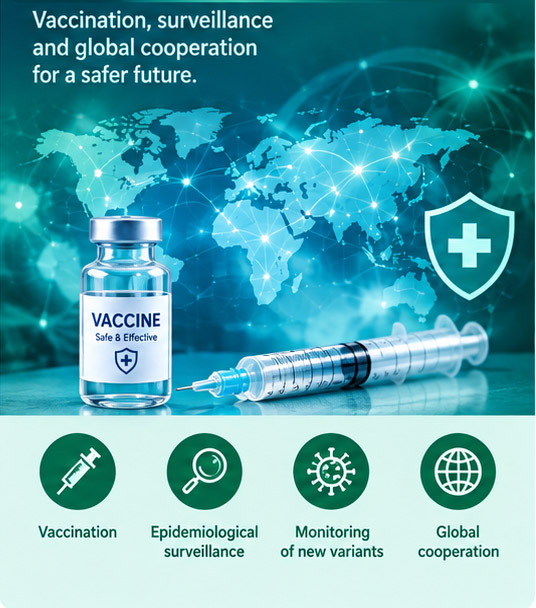
The course focuses on modern molecular genetic and molecular biological methods for the study and diagnosis of viruses infecting humans, animals, and plants, as well as the practical applications of viruses in medicine and biotechnology. Particular attention is paid to phage therapy, the use of viral structures in nanotechnology, genetic engineering and gene therapy, molecular diagnosis of viral infections, and the production of virus-free planting material. Students develop skills in analyzing contemporary approaches to virus detection, evaluating their potential applications, and searching for and synthesizing scientific information on current issues in applied virology.
The purpose to provide theoretical foundations of modern molecular-genetic and molecular-biological research methods used to address applied problems in virology and to diagnose viral diseases in humans, animals and plants.


- lectures – 20 hours*
- seminar classes – 10 hours*
- independent student study – 60 hours*
Control and Assessment Methods
Current assessment includes oral questioning and defence of the individual research-oriented assignment during lectures and seminars. Periodic assessment is module testing after each content module. Final assessment is an examination. The level of a student’s knowledge is evaluated on a 100-point scale.
Detailed information on assessment methods and criteria is provided in the course working program
For all organisational inquiries, please contact ONU-DUANKOM coordinator, Tetiana Ivanytsia.
t.ivanytsia@gmail.com
 Level 2: Master’s
 90 hours study:
Credits – 3
Content Modules – 2
-
Field of Knowledge: G Engineering, Manufacturing and Construction
-
Specialty: G21 Biotechnology and Bioengineering
-
Educational and Professional Program “Biotechnologies and Bioengineering”
- «Virology»
- «Microbiology»
- «Genetics»
- «Molecular Biology»
- «Biotechnology»
Knowledge acquired in this course may be useful for the course “Biological Sciences and Sociology”, research internships and preparation of the Master’s thesis.


